
Dr. Olivier Schalm
Olivier Schalm studied chemistry at the University of Antwerp. During his master thesis, PhD, and postdoctoral research, he specialised in the chemical analysis of heritage materials such as historical glass, silver alloys, and pigments. He also investigated advanced imaging techniques, including emission radiography, and explored innovative plasma-based methods for cleaning tarnished silver. His work gradually shifted toward environmental monitoring inside museums and churches. Within the AIRCHECQ project, he developed a multi-parameter monitoring tool and algorithms that translated environmental measurements into risk levels for accelerated material degradation. After moving to the Antwerp Maritime Academy, he expanded this expertise by developing compact, multipurpose Arduino-based data logger systems for a wide range of maritime applications. These systems are used air quality monitoring systems, in in-house-developed buoys, for monitoring the energy consumption of small autonomous vessels, or for measuring ship or platform motion. His research emphasises robust calibration methods for low-cost gas sensors and advanced data visualisation techniques that support risk assessment by converting measured pollutant concentrations into intuitive, health-related risk levels accessible to non-experts. His current work focuses on sustainable transport in the maritime sector. He investigates how onboard energy consumption can be optimised through targeted crew training, and improving the interaction between the operator and the vessel’s energy systems to support the transition toward more energy-efficient and cleaner ship operations.
Voor meer informatie over Olivier, neem een kijkje op ORCID of op ResearchGate.
Lid van projecten
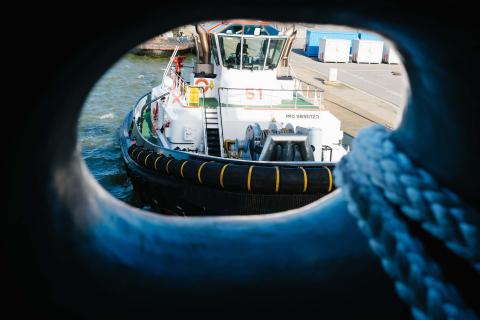
Development of a decision support system for on-board air quality monitoring
Proof of concept for a decision support system to reduce the occupational risks of seafarers due to air quality
Lees meer
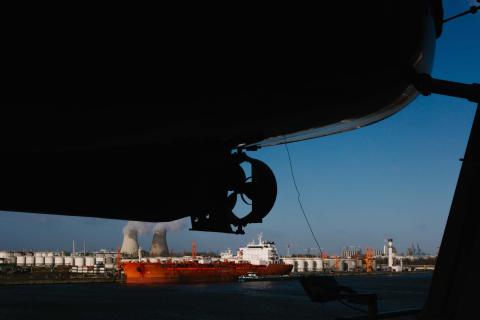
Air@Port
Low-cost decision support system to evaluate the impact of ships on the air quality in the port city Cienfuegos
Lees meer
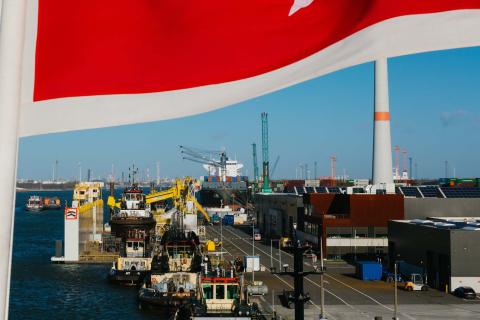
AIRCHECQ+
Improving the accessibility & reusability of the AIRCHECQ deliverables to new disciplines
Lees meer
Energy consumption, thermal comfort and energy loss of a classified monument and a new building
Participatory research with students on the energy consumption, thermal comfort and energy loss of a listed monument and a new building. Educational institutions should encourage student learning productivity.
Lees meer
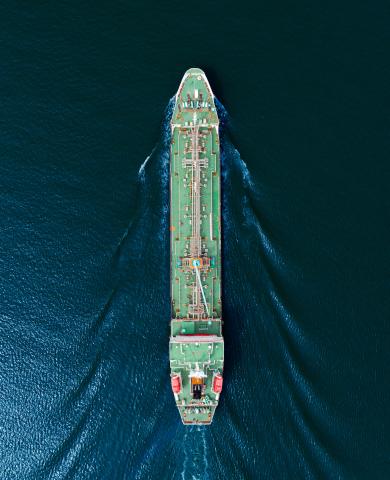
Elgas
An important difference between shipping and other forms of cargo transportation is that sailing personnel spend longer periods of time on the ship. Consequently, these people may also be exposed to sources of air pollution (for example: exhaust fumes, cargo fumes, pollution from ports) during their leisure time. For inland navigation, for example, it is common for children to sail along during vacations. Unfortunately, we have insufficient knowledge about the indoor air quality in ship accommodations.
Lees meer
SATIMAIR
SATellite IMage analysis for AIR quality on ships: an exploratory investigation
Lees meer
GREENPORT
Innovation through smart use of current resources
Lees meer
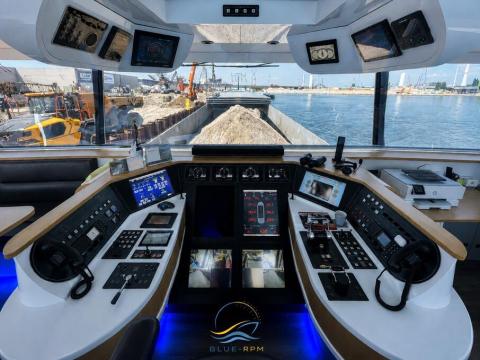
BLUE-RPM
Boosting Low-emission Urban Engine efficiency through Rotations Per Minute Management
Lees meer
AIMPERES
AI-driven Modular Platform for Emission-Reduction & Efficient Shipping
Lees meer
Boosting Food Security and Climate Adaptation in Cuba through Smart Irrigation Systems
Boosting Food Security and Climate Adaptation in Cuba through Smart Irrigation Systems
Lees meer
Towards Smarter and More Energy-Efficient Shipping: Optimising ship energy systems through technology, data and human behaviour
The maritime sector faces a major challenge in reducing its energy use and emissions. New fuels, electrification and alternative propulsion technologies will play an important role in the long-term energy transition, but their large-scale implementation takes time. Ships typically remain in service for decades, while retrofitting existing vessels can be technically complex and economically challenging. At the same time, considerable potential remains to improve how existing ship energy systems are operated. This project investigates how technology, data and human behaviour can be combined to improve the energy performance of ships. Rather than focusing exclusively on replacing existing technologies, the project explores how incremental improvements in control systems, equipment, operational practices and decision-making can contribute to lower energy consumption and emissions.
Lees meer